
Walls Removed Without Affecting What Stays
Interior Demolition in Metro Detroit and surrounding areas for properties transitioning between uses or preparing for new layouts
CleanOut Pro handles interior demolition in Detroit and surrounding areas when you need specific walls, fixtures, or finishes removed while leaving the rest of the structure intact. This service prepares existing residential and commercial spaces for renovation, updated layouts, or complete interior reconfiguration. Selective removal requires working around what remains, protecting floors and adjacent rooms, and managing debris from confined interior areas.
Interior demolition targets cabinets, non-load-bearing partition walls, flooring layers, ceiling materials, and built-in fixtures that no longer serve the intended design. Controlled removal prevents unintended damage to ceilings, subfloors, and mechanical chases that will stay in place once the work is finished. Metro Detroit's mix of brick, plaster, and aging interior materials often requires hand tools and containment measures that keep dust and debris from migrating into unaffected rooms.
Request a detailed estimate based on the rooms, materials, and access conditions specific to your property.
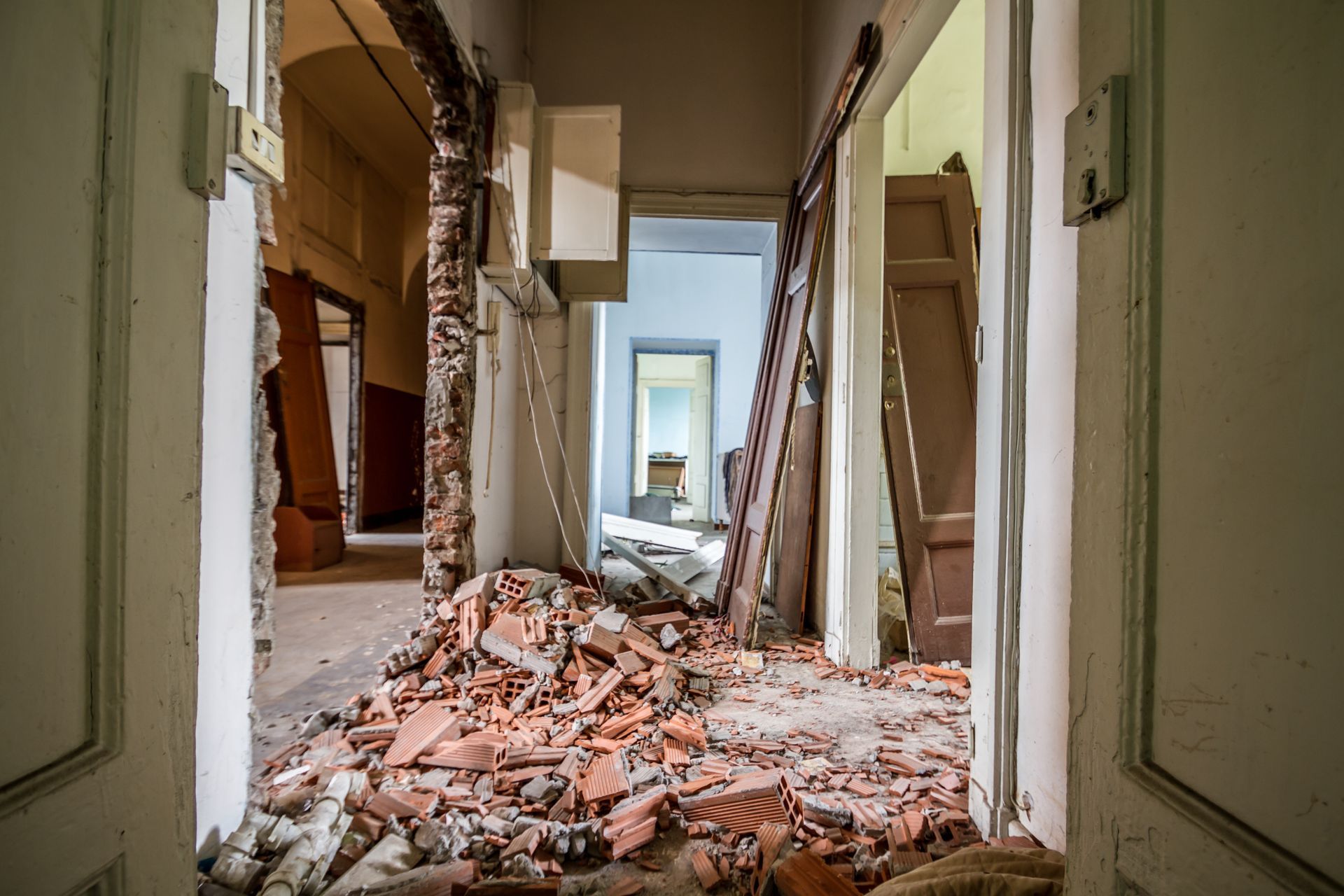
What Happens During Controlled Interior Removal
The process begins with defining which elements come out and which boundaries remain untouched—doorways, trim, electrical boxes, plumbing risers, or architectural features staying in the updated design. Removing material in sections rather than wholesale teardown lets you preserve wall studs, floor joists, or ceiling framing that the new layout will reuse.
Once demolition is complete, you see clean edges where walls ended, exposed framing ready for inspection or modification, and floors cleared of old layers down to the subfloor or original surface. Debris is hauled out through designated pathways, minimizing tracked dust and keeping the remainder of your building operational if needed during the project.
Interior demolition does not include structural engineering, mechanical disconnection, or hazardous material abatement unless those services are confirmed and coordinated separately. The work prepares the space physically but assumes other trades will handle electrical disconnects, plumbing capping, and final framing adjustments as the renovation progresses.
Questions Property Owners Ask Before Interior Work
Renovation and tenant improvement projects throughout Metro Detroit and surrounding areas often involve removing interior walls, dropped ceilings, or obsolete built-ins before contractors can begin installing new systems or finishes.
What preparation is required before demolition begins?
You need to remove personal items, identify areas that must remain protected, and confirm that mechanical systems in the work zone are properly isolated or deactivated by licensed trades before material removal starts.
How is debris managed inside an occupied building?
Material is bagged, boxed, or carted through protected routes to exterior dumpsters, and dusty demolition areas are sealed with plastic sheeting to prevent contamination of finished spaces nearby.
What remains after interior demolition is finished?
You see exposed framing, subfloors, ceiling joists, and wall cavities ready for inspection, with all specified fixtures, finishes, and non-structural partitions removed and hauled away.
When should interior demolition be scheduled in a renovation timeline?
Demolition happens after design is finalized and before framing, electrical, or mechanical rough-in begins, allowing trades to work in a cleared space without navigating old material.
Why does plaster removal take longer than drywall in older Detroit properties?
Plaster adheres to wood lath with multiple coats and creates heavier, dustier debris that requires more careful handling to avoid damaging adjacent walls still bonded to shared framing.
CleanOut Pro provides interior demolition estimates based on the size of the area, materials being removed, and site conditions. Discuss your project scope and space requirements to move forward with preparation work.