
Structures Removed Before Property Redevelopment
Exterior Demolition in Metro Detroit and surrounding areas for removing unwanted buildings, additions, and outdoor structures.
When aging garages, sheds, porches, or small outbuildings no longer serve your property plans, exterior demolition clears the footprint and prepares the site for replacement construction or open space. CleanOut Pro removes exterior structures across Detroit properties where deterioration, changing use, or redevelopment plans require removal of what currently stands. Exterior work involves assessing access routes, proximity to property lines, overhead utilities, and the condition of materials being torn down.
The service addresses wood-frame outbuildings, masonry sheds, attached additions, canopies, and standalone structures that have reached the end of their functional life. Southeast Michigan's freeze-thaw cycles accelerate rot in wood sills, separate masonry joints, and buckle foundations, leaving many accessory structures unsafe or unsightly long before the main home requires attention.
Request an evaluation and demolition estimate after identifying which structures need removal and discussing site access.
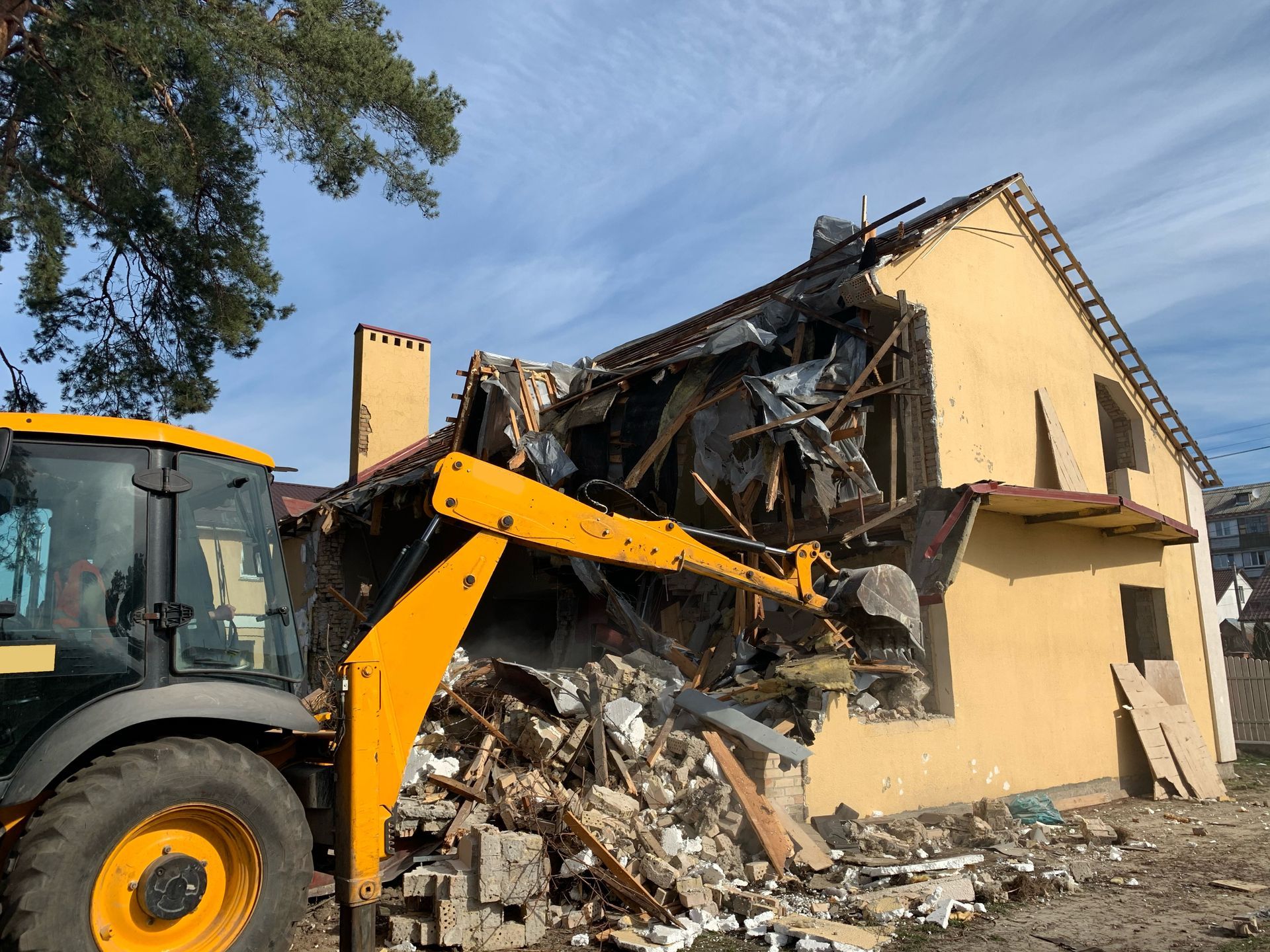
Why Surrounding Property Affects Exterior Demolition
Removing exterior structures begins with evaluating how equipment will reach the work area, where debris can be staged, and what barriers or landscaping need temporary protection. Proximity to fences, driveways, mature trees, and adjacent buildings determines whether material is hand-carried, machine-loaded, or lifted over obstacles.
After demolition, the site shows cleared ground where the structure stood, with foundation remnants either removed to grade or left for backfill depending on your next steps. Debris from roofing, siding, framing, and masonry is sorted, loaded, and hauled to appropriate disposal facilities, leaving the property ready for grading, construction, or landscaping.
This service does not include structural engineering analysis, permit procurement, or utility disconnection unless those responsibilities are explicitly confirmed beforehand. Property owners remain responsible for verifying that gas, electric, water, and sewer lines are properly capped or relocated by licensed professionals before demolition equipment begins tearing down the structure.
Common Questions About Removing Exterior Structures
Detroit and surrounding area properties frequently include detached garages, lean-to sheds, and older additions that owners want removed before selling, renovating, or building new improvements.
What factors determine how long exterior demolition takes?
Structure size, material type, foundation depth, site access, and the need to work around landscaping or adjacent buildings all affect how quickly demolition crews can safely dismantle and haul the debris away.
How is debris from exterior demolition handled?
Wood framing, asphalt shingles, siding, and masonry are separated when possible, loaded into trucks or roll-off containers, and transported to facilities that accept construction debris.
What site preparation is needed before demolition begins?
You should clear personal items, identify underground utility locations, and confirm that any active services running to the structure are disconnected and capped by appropriate licensed contractors.
When is exterior demolition necessary instead of repair?
Demolition makes sense when foundation failure, extensive rot, structural instability, or code violations make repair costs exceed the value of rebuilding or leaving the space open.
Why do masonry structures require different approaches than wood-frame buildings in Metro Detroit?
Brick and block create heavier debris, require more labor to dismantle without scattering material across the site, and often involve foundations that extend deeper than wood structures on frost footings.
CleanOut Pro schedules exterior demolition once site conditions, structure type, and project goals are reviewed. Contact our team to arrange a property walk-through and receive a project-specific estimate.